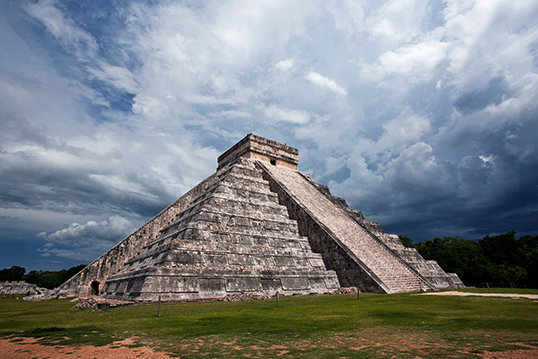
This observation from Dr Jason Ur, of Harvard University is particularly pertinent given our current trajectory:
“When we excavate the remains of past civilizations, we rarely find any evidence that they made any attempts to adapt in the face of a changing climate. I view this inflexibility as the real reason for collapse.”
Stephanie Rost, in her recent paper entitled How we could survive in a post‑collapse world emphasis the point:
"The scale of the current crisis surpasses any historical precedent, and the path forward is uncertain. Nonetheless, by understanding the dynamics of past collapses and applying those lessons with a focus on rapid adaptation and anticipating what we may face, there is still potential to navigate the turbulent future."
But that window is rapidly closing. The sheer level of adaptation required in order to avoid certain areas, economies and countries collapsing is staggering. For example in the UNEP's Cooling and Extreme Heat factsheet they point out that:
"More than 70% of the global workforce—2.4 billion people—are now at high risk of extreme heat. "At 1.5°C [where we are now] of warming, hundreds of millions of people could [read probably will] face one week per year of deadly humid heat that they would not survive without access to cooling."
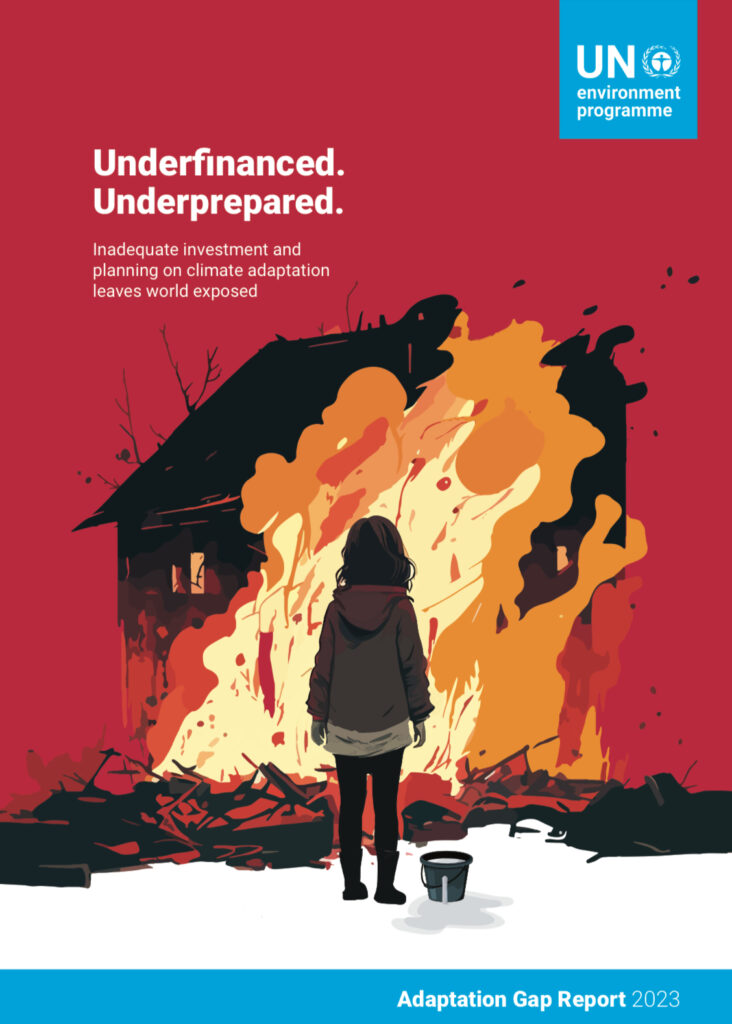
2.4 billion people. Hundreds of millions of people that will not survive a humid heatwave. These are staggering numbers. To keep this volume of people safe is going to require unprecedented action. However, we are nowhere near seeing that kind of action. Well illustrated by the the cover of the 2023 Adaptation Gap Report:
We are daring collapse.