Unlike a storm forecast, where severe weather usually arrives within days, the impacts associated with an El Niño develop gradually over months and In some cases, the consequences can persist long after the El Niño event itself has ended.
South Africa's 2015/16 El Niño experience and the prolonged drought conditions of that period offer an important lesson in this regard. The devastating 2017 Knysna fires and Cape Town's 2017/18 Day Zero water crisis show how accumulated environmental stress over time, combined with other risk factors, can contribute to serious disasters.
And this is what makes seasonal climate warnings so easy to underestimate.
When the predicted impacts don't appear immediately, people can be lulled into a false sense of security. Life continues as normal, and the urgency to prepare gradually fades.
But the absence of immediate impacts doesn't mean the risk has disappeared!
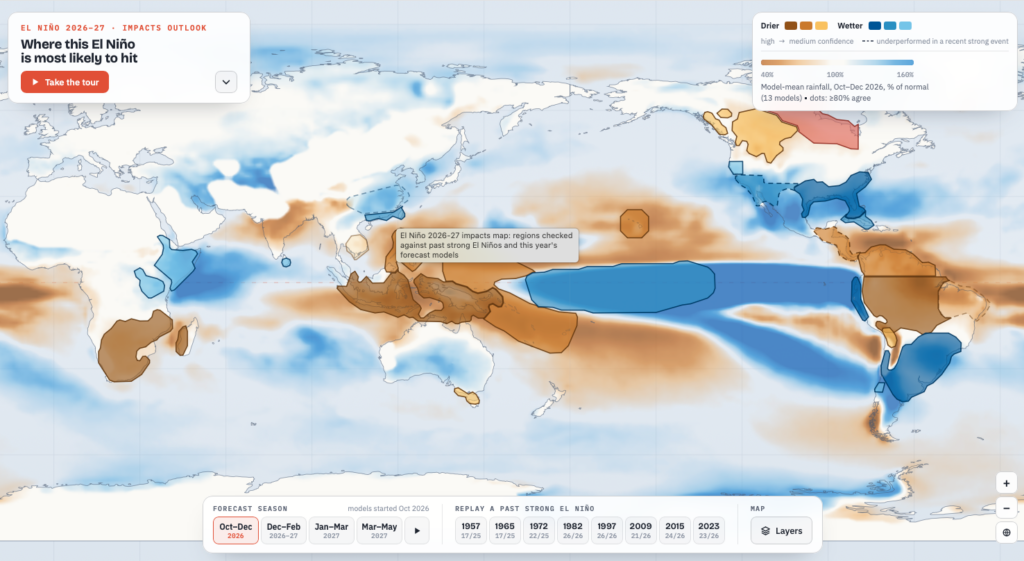
The latest seasonal forecasts are giving us something extremely valuable: time to prepare.
And there is a great deal we can do with that time.
• Water security: Do you have a plan for coping with prolonged water restrictions or supply interruptions?
• Wildfire preparedness: Is your home and surrounding property adequately firescaped?
• Extreme heat: If you live in an area vulnerable to high temperatures, do you have a practical heat preparedness plan?
These are measures we can take before conditions deteriorate.
Seasonal forecasts are not guarantees of what will happen in any particular location but they do provide valuable advance warnings of increased risk, giving us an opportunity to act before potential impacts become emergencies.
We have time to prepare. Let's not waste it!