Most of us were taught to act when there is proof of danger. But in complex systems, like the climate system, or when dealing with fire risk, or water supply, waiting for proof can mean acting too late.
That is where the precautionary principle comes in. It says that:
If something could cause serious or irreversible harm, and we are not completely certain about the science, we should act to reduce the risk before the damage is obvious.
This is at the core of basic prudent risk management.
Why this matters in a heating world
Global heating is not a "straight line problem". It behaves more like a tipping system.
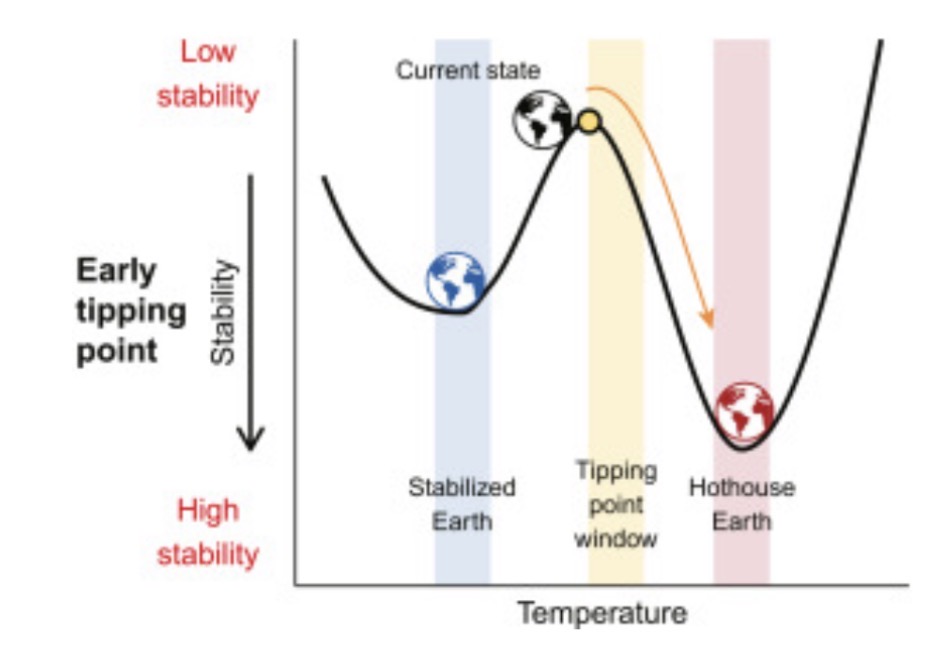
For a long time, change looks gradual. Then suddenly, a threshold is crossed and the system shifts into a new state. Once that happens, going back is extremely difficult.
We do not know the exact temperature at which major tipping points occur. We do know they exist, including ice sheet collapse, large-scale ecosystem dieback, and major ocean circulation shifts.
If we wait for certainty about exactly where those thresholds are, we will almost certainly cross them.
Applying the Precaution Principle means reducing emissions as quickly as possible and strengthening resilience way before we reach those unknown edges.
Applying the precaution principle to the Garden Route
The Garden Route faces three major climate-related risks: decreasing rainfall, increased fire weather, and sea level rise.
Each one involves a measure of uncertainty. Each one involves potentially irreversible damage. Each one requires early action.
Decreasing rainfall
Rainfall patterns are shifting. Even small long-term declines matter in water-constrained systems like there are on the Garden Route.
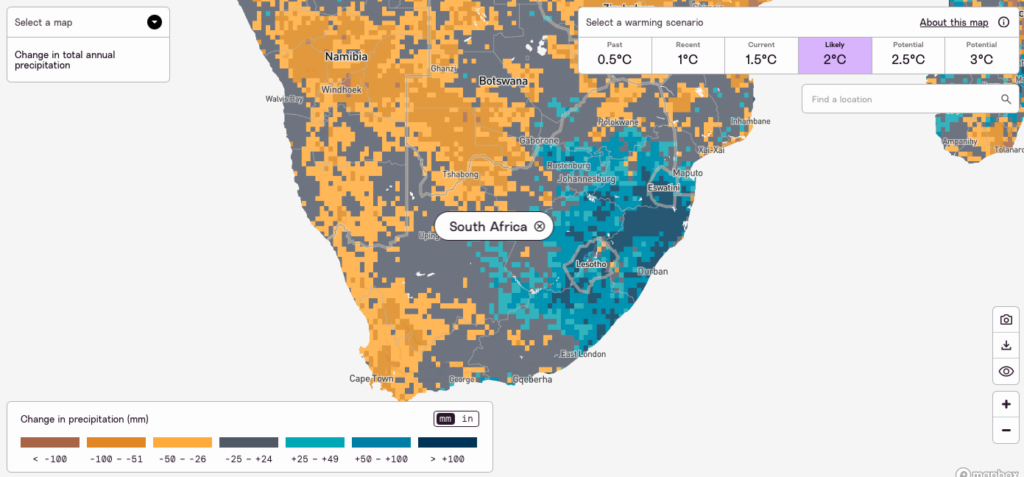
Water systems often look stable until rivers drop below critical levels. Then restrictions, economic damage, and system stress escalate quickly.
If we wait for dams to approach empty before reducing demand or fixing infrastructure leaks, we risk system failure.
Precaution means reducing non-revenue water, protecting ecological flows, managing demand early, making sure as much rain water is captured as possible and diversifying supply before crisis.
Once aquifers are overdrawn or river ecosystems collapse, recovery is slow and costly or may not be possible at all.
Increasing fire weather
Hotter, drier conditions increase fire intensity and spread. We cannot predict the exact season of the next major fire, but we know the conditions are trending worse.
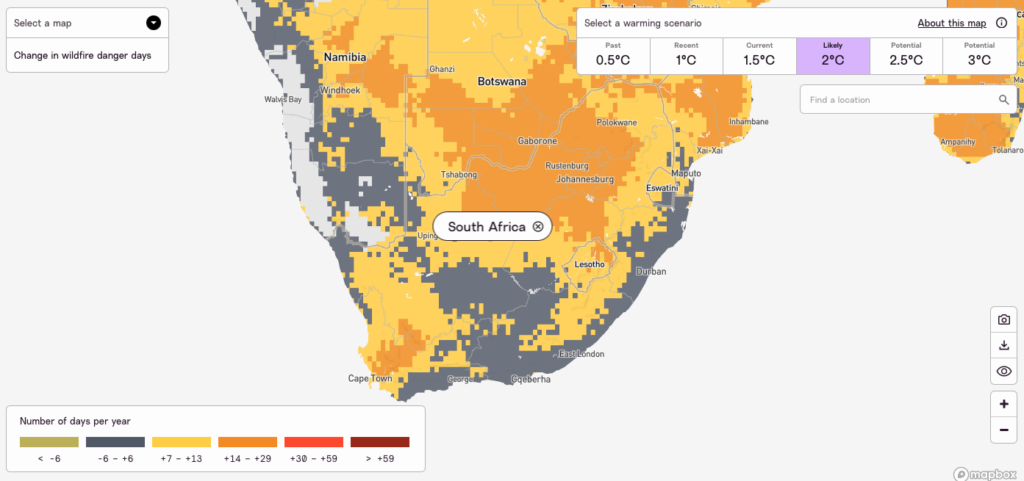
If we wait until after catastrophic fire seasons to change land management, we will pay in lives, homes, tourism losses, and ecological damage.
Precaution means:
- proactive fuel reduction,
- enforcing defensible space rules,
- adopting fire-adapted building codes, and
- strengthening response systems before peak conditions.
Fire risk compounds quietly until it doesn’t.
Seal level rise
Sea levels are rising. The exact rate over the next decades is uncertain, but the direction is not!
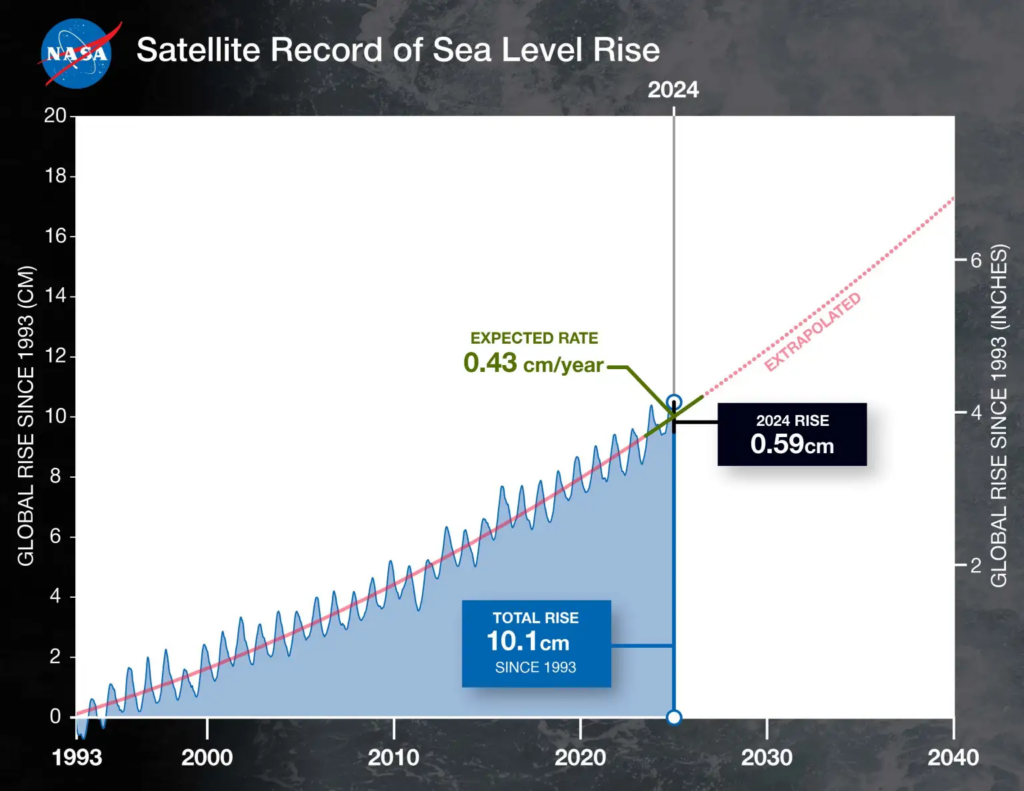
If we wait until properties flood regularly before adapting, we will face infrastructure damage, insurance collapse, property value loss, and expensive emergency responses.
Precaution means avoiding new development in high-risk zones, planning coastal setbacks, and designing infrastructure for future, not past, sea levels.
You cannot “uproot” a house built in the wrong place!
The common pattern
In all three risks above, the exact tipping point is unknown, the damage could be irreversible, and the cost of prevention is usually lower than the cost of recovery.
The mistake is thinking that uncertainty means we should delay action.
In risk management, uncertainty increases the need for caution not the opposite.
What precaution is not
Precaution does not mean stopping all development for example, shutting down the economy, or acting on every worst-case scenario.
But it does mean avoiding irreversible harm when credible risk exists, planning for the downside rather than just the average outcome, and acting early when systems are still stable.
Here is a simple test. Ask this question: If we are wrong and the risk is smaller than expected, can we recover from acting early?
Now ask: If we are wrong and the risk is larger than expected, can we recover from acting late?
In climate and environmental systems, acting late is usually far more expensive and sometimes impossible to reverse.
The bottom line
The precautionary principle is a common sense risk management strategy applied to complex systems.
When the potential damage is severe and irreversible, waiting for perfect certainty is itself a high-risk decision.
The real gamble is delaying action!