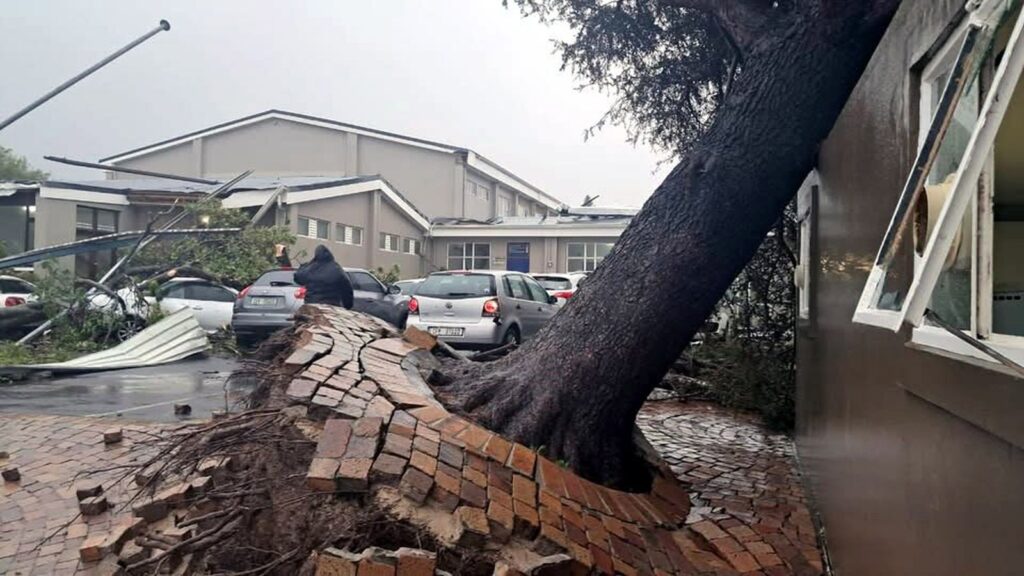
Since Tuesday, May 5, 2026, the Western Cape has been battered by a series of devastating storms, leaving a trail of destruction and human suffering. The impacts have been severe and widespread:
- Loss of Life and Human Cost: At least six people have died due to the storms. In Khayelitsha alone, 4,000 residents were affected, with 1,000 structures damaged or destroyed. Across the province, 1,655 dwellings sustained damage, displacing over 5,600 people.
- Infrastructure Collapse: Roofs were torn off homes, trees uprooted, and roads washed away or blocked by fallen debris. In Franschhoek, strong winds ripped the roof off an early childhood development centre, forcing its immediate closure and leaving children and staff in danger.
- Disruption of Essential Services: The storms forced the closure of all schools in the Western Cape on May 12, prioritizing the safety of learners and staff. Healthcare services were severely disrupted, with hospitals like Caledon and Mitchells Plain evacuating some patients due to infrastructure damage and power outages. Emergency medical services were stretched thin as they responded to hundreds of calls for help.
- Food and Supply Shortages: Communities in Franschhoek, Baviaanskloof, and the Karoo were cut off from food and medical supplies due to flooded roads and fallen trees. Humanitarian organizations like Gift of the Givers reported using helicopters, horses, and ropes to deliver aid to stranded residents, including a pregnant woman in need of medical evacuation.
- Economic and Social Impact: Power outages affected thousands, and businesses reported running out of basic food supplies. The storm also disrupted flights at Cape Town International and George airports, further isolating the region.
These events are not isolated incidents but part of a growing pattern of extreme weather that the Western Cape and Southern Africa as a whole must urgently adapt to.
What the future holds
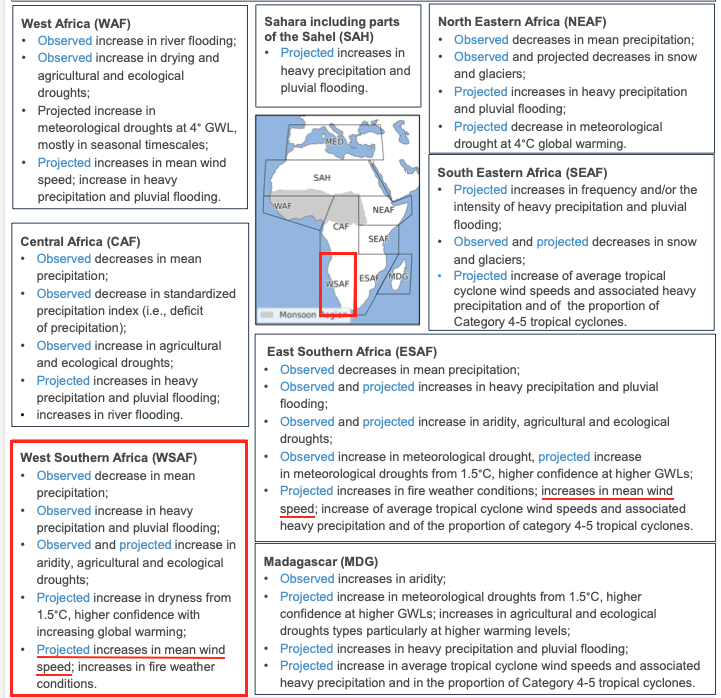
The Intergovernmental Panel on Climate Change (IPCC) has long warned that regions like West Southern Africa (WSAF) which includes the Western Cape will face increasingly severe climate impacts as global temperatures rise. The IPCC fact sheet for Africa highlights the following projected trends for our region:
- Increased Aridity and Drought: The Western Cape is projected to experience decreases in mean precipitation and increased aridity, exacerbating water scarcity and agricultural stress.
- More Frequent and Intense Storms: While overall rainfall is projected to decline, the frequency and intensity of heavy precipitation events, like the storms we’ve just witnessed, are expected to increase. This means more pluvial flooding, where heavy rainfall overwhelms drainage systems and leads to widespread flash flooding and an increase in mean wind speeds causing further risk to infrastructure.
- Rising Temperatures and Heatwaves: Higher global warming levels (1.5°C and above) will bring more frequent and severe heatwaves, increasing the risk of wildfires and heat-related illnesses.
- Sea-Level Rise and Coastal Vulnerability: For coastal areas, rising sea levels will amplify the impacts of storm surges, leading to greater flooding and erosion in low-lying communities.
- Ecosystem and Agricultural Stress: The combination of drier conditions, higher temperatures, and extreme weather will place immense pressure on ecosystems, agriculture, and food security. Crops may fail, livestock will suffer, and biodiversity could decline.
The IPCC’s projections align with what we are already seeing: more extreme, more unpredictable, and more destructive weather patterns. The storms this past week are a stark reminder that these changes are not a distant threat they are here, and they are escalating.
The need for urgent adaptation
In 2023 the Adaptation Gap Report, published by the United Nations Environment Program, had this as a cover:
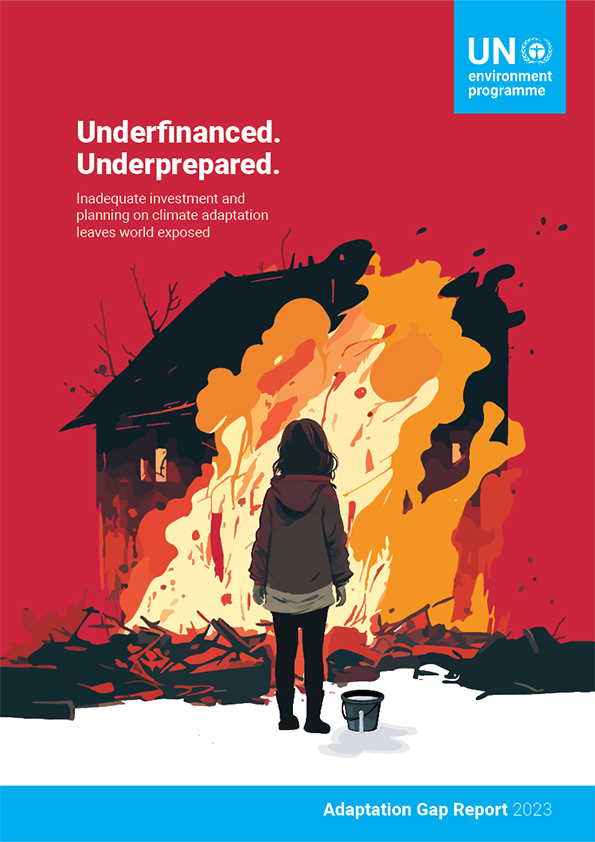
Three years later the message on this cover remains very true and speaks to the critical need for proactive adaptation to build resilience against future climate shocks. Here’s what must be done:
- Strengthen infrastructure resilience
- Flood-Resistant Design: Retrofit homes, schools, and hospitals in flood-prone areas with elevated foundations, reinforced roofs, and water-resistant materials.
- Drainage Systems: Invest in upgraded stormwater drainage to handle increased rainfall intensity and prevent urban flooding.
- Power Grid Hardening: Underground power lines and backup generators for critical facilities (hospitals, emergency services) can prevent outages during storms.
- Community preparedness and Early Warning Systems
- Public Awareness Campaigns: Educate communities on evacuation routes, emergency kits, and flood safety measures.
- Real-Time Alerts: Expand early warning systems for extreme weather, ensuring alerts reach all residents, including those in informal settlements.
- Disaster Drills: Regular simulated evacuation drills can save lives when real disasters strike.
- Protect the most vulnerable
- Informal Settlements: Prioritize relocation or reinforcement of informal settlements in high-risk areas. Provide emergency shelters and food storage facilities to prevent shortages during crises.
- Healthcare Access: Ensure mobile clinics and medical evacuations are available for isolated communities, as seen in Baviaanskloof and the Karoo.
- Social Safety Nets: Expand financial and food aid programs for low-income households disproportionately affected by climate disasters.
- Sustainable land and water management
- Natural Barriers: Restore wetlands and dunes to absorb floodwaters and reduce storm surges.
- Water Conservation: Implement rainwater harvesting and greywater recycling to mitigate water shortages during droughts.
- Agricultural Adaptation: Promote drought-resistant crops and sustainable farming practices to secure food supplies.
- Policy and Governance
- Climate-Responsive Urban Planning: Integrate climate risk assessments into all new development projects.
- Cross-Sector Collaboration: Foster coordination between government, NGOs, and private sector to ensure a unified response to climate disasters.
- Funding for Adaptation: Allocate dedicated budgets for climate resilience, drawing on international climate finance where possible.
A call for action
The storms of this past week have shown us that climate impacts is not a future problem, it is a present crisis. The Western Cape’s vulnerability to extreme weather will only grow as the planet keeps heating. Adaptation is not optional as we face increasing climate chaos.
We must act now to protect our communities, our infrastructure, and our future. The time for half-measures is over. The question is when the next storm hits, how ready will we be?
The choice is ours: adapt or suffer the consequences.
A mountain of adaptation work lies ahead for everyone. Are we up to the task?